


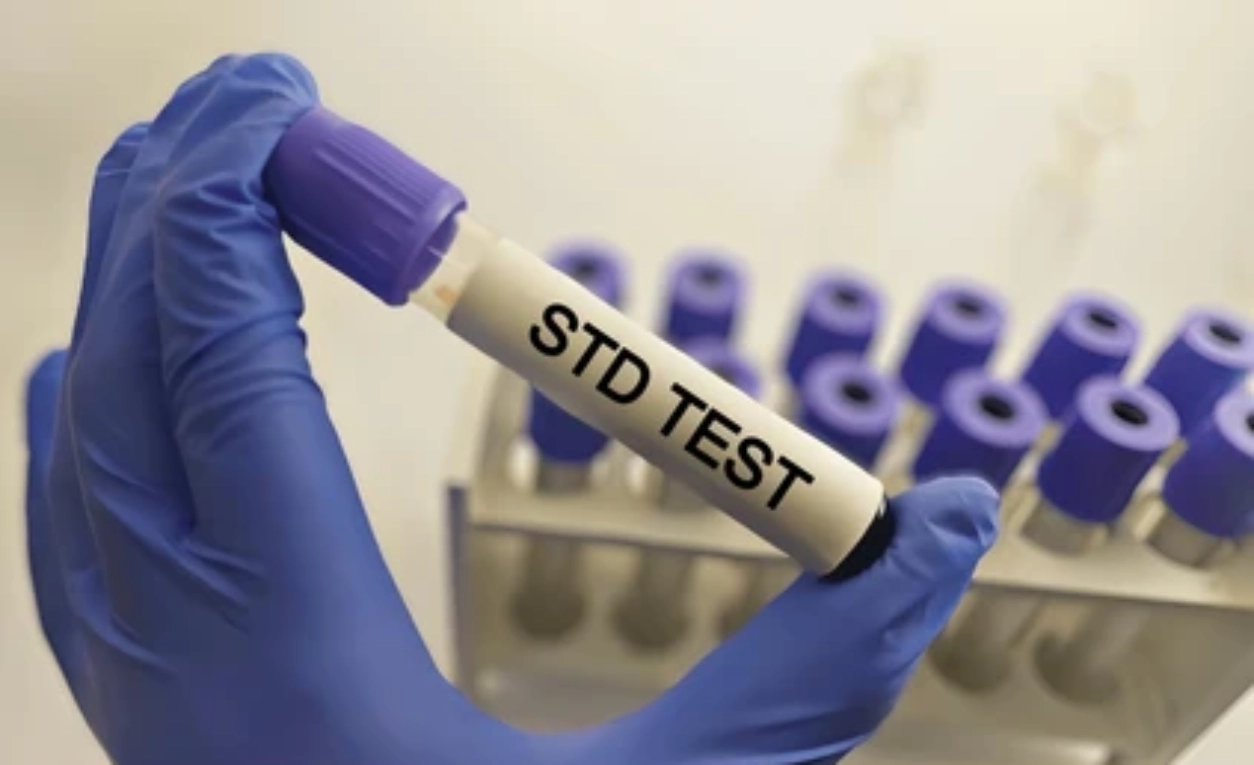
STD testing is one of the most important ways to take care of your health and the health of your partners. Routine RTIs testing is the business of every sexually active person, including someone who uses multiple sexual partners and even somebody out to look after oneself. Why is an STD Test Important? An STD test in ideal for finding and treating those infections that do not show symptoms. Though STDs are common, a lot of people, out of fear or shame or simply due to not understanding why they should get tested, don’t get tested for them. But today, you can be tested rapidly and privately — with less risk than ever. STD testing Los Angeles should not be a scary, dishonest or shameful thing.
Why STD Testing Is Critical?
The Centers for Disease Control reports that 20 million new cases of sexually transmitted infections are diagnosed each year in the U.S. Symptoms can range from none at all or very mild to moderate and beyond, so the vast majority of people who become infected will never know. Testing for STD’s early does not prevent infertility, organ damage or chronic pain some cases of such can be caused bynendash; depending on the STD you are being tested for. Chlamydia and gonorrhea can be cured with antibiotics; herpes and H.I.V. are manageable, especially when identified early. You will want to get tested — or should be getting tested — for your health, not because you’re unknowingly spreading the virus.
Who Requires STD Testing?
The Centers for Disease Control and Prevention suggests that everyone who is sexually active should be tested once annually and more frequently for those patients with several partners or multiple change partners. Some persons need to be treated more regularly:
- Women under 25 who are sexually active.
- Pregnant women in our society; some infections can have an affect; and, manifest at the time of delivery to affect the newborn.
- Men who have sex with other men.
- Anyone who has unprotected sex or shares needles.
And STD, even one like HIV that you have yourself, can be symptomless and you could be none the wiser until you are regularly screening. Regular STD screening lead to regular interventions in the event of infection. Most common sex-related illnessesES Home testing can reveal STDs Herpes and hepatitis. These bacterial infections typically don’t have symptoms but can cause pain, a burning feeling when urinating or a discharge. Infections can lead to pelvic inflammatory disease and may cause infertility later on. HIV infection can destroy part of the immune system known as CD4.
Early detection of this infection is important to lead to low viral load and stop transmitting. Syphilis. This infection, which is bacterial in nature, can produce a painful sore and ra rash — and serious health problems if left untreated. There is no cure, however, there are some medications that can help control symptoms and decrease the likelihood of transmitting the virus to a partner. 5. Hepatitis B and C infections of the liver that won’t heal on their own unless treated.
Trichomoniasis — an STI caused by a parasite, which can also result in itching and discharge (although you often don’t have symptoms).
Home tests do not detect all STIs, and accuracy rates vary. It could be a question worth raising, if you do test positive for the infection, with your doctor.
How can men and women cure contact infection?
So what we are doing to try to make you better depends on the type of infection. Most common bacterial STDs — chlamydia, gonorrhea and syphilis — can be cured with antibiotics.
If your test is positive, the doctor will talk to you about treatment options — and might even inform your partner if necessary.
STD panels can detect multiple infections in some instances based on reporting on your partnership history. Testing demands on about an hour. Your healthcare provider will use a blood test to screen for HIV, syphilis, and viral hepatitis. A secure sample kit includes a urine sample or vaginal swab for Chlamydia trachomatis and Neisseria gonorrhea or trichomoniasis. A swab sample will be taken from the mouth, cervix, or rectum for the presence of blood.
Results can be back in as little as a few hours or several days depending on the assessment. Rapid testing or same-day available at many clinics. With a positive test, you can expect your healthcare provider to discuss treatment options with you and to carry out partner notification if necessary.
Is testing possible without presenting symptoms?
It’s really tough- and that’s a good idea at that. Many sexually transmitted infections are referred to as “silent,” which can mean they advance without your knowledge. By the time symptoms appear, the damage may already be done. Even if you don’t have any symptoms, regular testing is one of the finest ways to protect your health. However, if you do have symptoms such as unusual discharge or itching, burning, rash or sores in the genital region you should get tested immediately. Waiting to engage in sexual intercourse until you could have definite results from being tested would be wise.
How do you get ready for a sexually transmitted infection test?
It’s simple. If you’re coming in to give a urine sample, don’t pee for an hour beforehand so the results are more accurate. You should also tell your provider about any symptoms you have, recent sex partners and what medications you’re taking. There is no need to fast or take any other special steps for the test most of the time. Note: This is entirely confidential, as healthcare professional staff are used to these situations.
There are home testing kits for STDs themselves. While they are useful, all of these testing options have a catch – You may be able to take the sample at home (e.g. blood sample through finger-prick or urine sample) but then you’ll send it off for analysis in a lab. you still need to wait for a secure internet transmission after the conclusion. At-home testing kits may not detect all STIs. If you test positive, call a doctor.
Depending on what infection you have, the type of care or treatment you get will be based on that. Even among the bacterial STIs, chlamydia, gonorrhea, and syphilis — which are all very treatable with antibiotics — the risk is less to resulting in heart disease, compared to herpes. There are also viral STIs, for example herpes and H.I.V. These infections are both incurable but getting effective treatment make a great difference in alleviating the symptoms, significantly reducing transmission and allowing infected people to live a normal life.
The other STIs are viral, see herpes and H.I.V. There are no cures for them but effective treatment can help manage symptoms and work to limit the spread of the virus.
The rest are called viral STIs and include herpes and H.I.V. There is no cure for these STIs either, but treatment can help relieve symptoms and you can take steps to prevent transmission.
There are antiviral drugs that can prevent the liver from getting sick if it is infected long-term with hepatitis B or C and then things progress to worse issues.
Your doctor may advise that your sexual partners also be tested to avoid reinfection. Follow up and communication opens should be in place.
How to prevent future infections?
A vaccine exists for HPV as well as one for hepatitis B — two of the most significant causes of long-term health problems associated with STDs. And as is the case with everything in life, good hygiene, routine check-ups and open communication with partners further lower risk overall.
Simple but effective precautions including keeping the number of sexual partners low and not sharing razors or needles, should also be taken.
How weekly testing promotes well-being?
And it’s not just about disease prevention when it comes to keeping you healthy — that STD testing Los Angeles test just might even save your life. It gives you agency to make good choices for yourself, safeguards your reproductive system and helps to create stellar relationships. Regular testing is also key to breaking the stigma around sex, making it easier to talk about these sorts of health topics.
Open and frank discussion is encouraged amongst health professionals, who offer a safe and non-judgmental environment. Whether you walk into a clinic, visit your doctor or choose a private, discreet testing service such as onlineSTItest.to, letting others know that you’re taking steps and are part of shift towards self-protective medicine.
Conclusion
Screening for STDs is a civilized thing to do. You owe it to yourself — not because cancer is catchy, but because the more you know about an HPV-induced condition, the better your outcome. With today’s testing technology, it is speedy, private and accessible to everyone — at local clinics or urgent care centers, with home kits. Don’t wait for symptoms to develop. Affirmative, you are right; it is strongly recommended to include STD testing Los Angeles as part of your regular health check-up schedule and it will allow you to take charge of your sexual health, and begin a solid foundation for a safer, healthier future.